Digitally assisted phaco-DMEK surgery
Article Sidebar
Main Article Content
Abstract
LS and LM contributed equally to this publication.
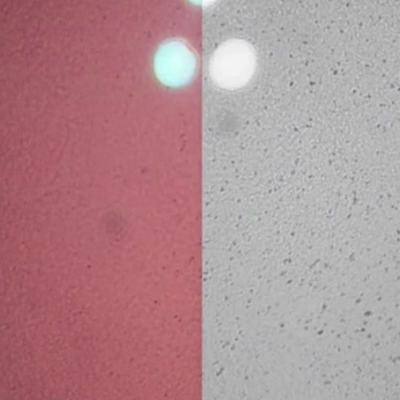
We report the case of a 69-year-old woman with cataracts and Fuchs endothelial dystrophy to illustrate how new technologies, such as digital filters, can assist the surgeon during phacoemulsification and Descemet membrane endothelial keratoplasty (DMEK). The patient underwent PHACO-DMEK using the Ngenuity 3D heads-up visualization system (Alcon Surgical, Ft. Worth, TX). The monochrome and green digital filters enhance visualization during capsulorhexis, hydro-dissection, and cortex and viscoelastic removal. In addition, the high magnification and monochrome digital filter improve visualization of the endothelial layer, making it easier to detect the guttae. This approach can help to eliminate doubts about endothelial status before proceeding with cataract surgery. In DMEK, the monochrome and green filters highlight the endothelial layer during descemetorhexis, especially in poor viewing conditions. The green filter is also useful in detecting the graft during blue dyeing, and the yellow filter highlights the roll during insertion and manipulation in the anterior chamber. In our experience, 3D Ngenuity digital filters improve tissue visualization during cataract and corneal surgery, particularly when visualization is challenging.
Downloads
Article Details

This work is licensed under a Creative Commons Attribution-NonCommercial-NoDerivatives 4.0 International License.